Wedding Flower Bouquet: A Designer’s Floral Toolkit
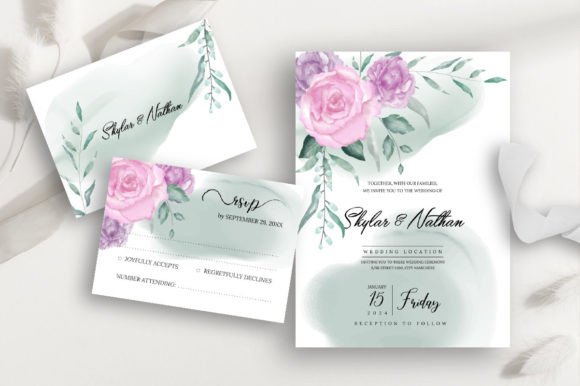
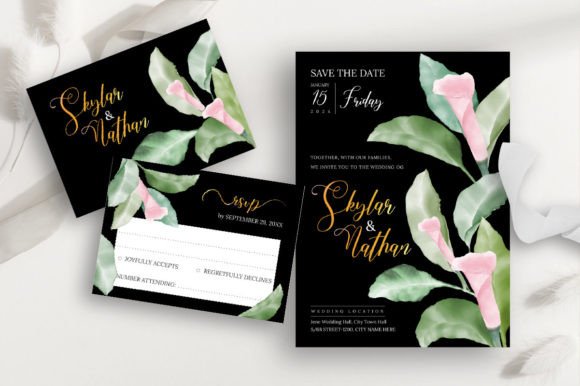
There is a specific energy in the room when you see a design asset that actually works. It’s not just about pretty pixels; it’s about utility and emotion. When I first came across the Wedding Flower Bouquet collection, I wasn't looking at a typeface, but rather a comprehensive visual system. In the world of branding and product design, finding a high-quality floral motif that doesn't look generic or overly "clip-art-ish" is a genuine challenge. This particular collection captures the delicate, romantic essence of a wedding arrangement, but the real value lies in its technical versatility. It bridges the gap between digital precision and organic artistry, offering a solution for everything from high-end editorial design to physical merchandise.
The Anatomy of the Asset: Beyond the Pretty Picture
When we talk about a premium font or design asset, we are usually talking about the work put into the file structure. A beautiful drawing that is impossible to edit is frustrating for a professional. The Wedding Flower Bouquet collection solves this by providing six distinct file formats: AI, EPS, SVG, JPG, PNG, and DXF. This isn't just a random assortment; it is a strategic lineup for different industries.
The SVG and AI files are the workhorses for web designers and those working on logo design or brand identity. Because they are vector-based, you can scale the bouquet to the size of a billboard or shrink it down for a favicon without losing a single detail. This is crucial for maintaining a professional look across a brand's touchpoints. Conversely, the JPG and PNG formats are ready for immediate use in social media graphics or blog posts. The DXF inclusion is a thoughtful nod to the crafting community—specifically those using cutting machines like Cricut or Silhouette—allowing for physical production of stickers or iron-on transfers.
Visual Personality and Brand Perception
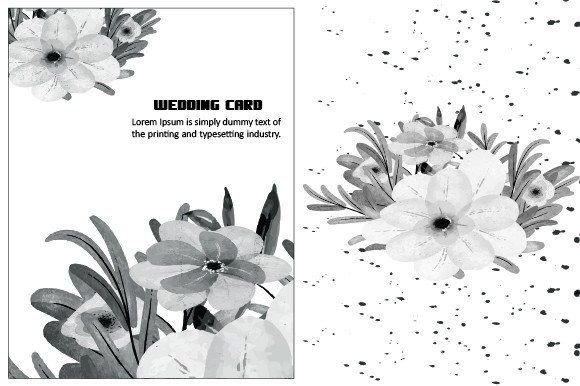
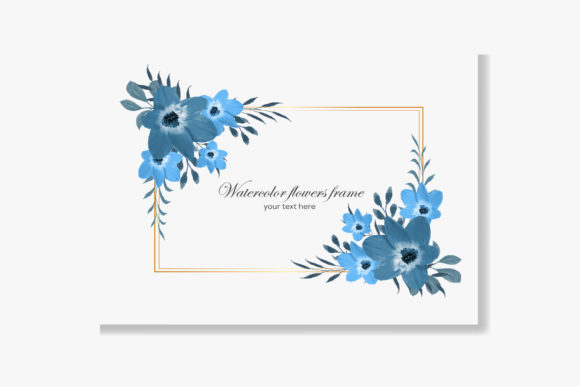
Visuals communicate faster than words. While a sans serif font might convey modern efficiency, and a script font might suggest intimacy, the imagery surrounding those words anchors the tone. The Wedding Flower Bouquet illustration style leans heavily into organic fluidity. It likely features the soft curves of petals and the intricate layering of foliage, which adds a layer of sophistication to any project it touches.
For a small business owner or entrepreneur, using this asset can significantly alter brand perception. Imagine a bakery’s menu or a skincare line’s packaging design. By incorporating these floral elements, you aren't just decorating; you are signaling quality, care, and attention to detail. It softens the edges of corporate branding, making a business feel more approachable and human. This is the kind of visual hierarchy that directs the viewer’s eye exactly where you want it—whether that’s toward a call-to-action button or a product feature list.
Practical Applications: From Screen to Print
The true test of any design asset is how well it performs in the wild. The specifications of this collection—a Canvas Size of 1920 px X 1280 px—make it immediately ready for digital use. This is a standard landscape ratio, perfect for website headers, presentation slides, or desktop wallpapers. However, because the vectors are included, you are not locked into this resolution.
Here is where the practical value shines for different creative roles:
- For Marketers and Content Creators: The high-resolution JPGs are perfect for social media graphics. You can use the bouquet as a background for text overlays on Instagram stories or Pinterest pins. The floral aesthetic performs exceptionally well in lifestyle and wedding niches, driving higher engagement rates.
- For Product Designers and Crafters: The ability to use this on a phone case, totebag, or pillow relies on the crispness of the lines. The vector files ensure that when you print on fabric or hard plastic, the edges remain sharp and the colors vibrant.
- For Publishers and Bloggers: In editorial design, imagery needs to support the text without overwhelming it. This bouquet can serve as a sidebar decoration, a chapter header break, or a background texture that adds depth to a magazine layout.
Integration with Typography
One of the most common struggles in design is pairing imagery with type. A complex floral illustration can clash with a busy handwritten font or get lost behind a heavy serif font. When working with the Wedding Flower Bouquet, I recommend looking for modern typography that offers high legibility.
If you are using the bouquet as a central design element, consider pairing it with a clean, geometric sans serif font for body text. This creates a necessary contrast—the organic, natural lines of the flowers play off the rigid structure of the typeface. If the goal is a romantic, high-end feel, a delicate script font for headlines works beautifully, provided it is spaced correctly. The key is balance; let the floral asset provide the "personality" and let the typography provide the clarity.
Evaluating Fit and Commercial Use
Before integrating any design assets into a commercial pipeline, a professional always checks the licensing and the technical fit. Since this collection is designed for a wide range of uses—from a website to physical printed paper—it offers a strong return on investment for agencies and freelancers alike.
However, context is king. A Wedding Flower Bouquet is highly specific. It works best for industries related to events, beauty, lifestyle, fashion, and stationery. If you are branding a construction company or a fintech startup, this asset likely won't fit the narrative. My advice is to treat this as a specialized tool in your kit. Use it when you need to evoke feelings of celebration, nature, or elegance. When used in the right context, it elevates the work from "homemade" to "professionally curated," ensuring your audience recognizes the quality you bring to the table.