Monogram Illustration Font Wedding Art: Elegant Design Assets
When you first encounter the Monogram Illustration Font Wedding Art collection, it is easy to mistake it for a standard script font. However, as a designer who has worked on countless branding packages, I can tell you this is a distinct category of design asset. It bridges the gap between typography and vector illustration. It is not just a set of letters; it is a collection of decorative frames, intricate line work, and ornamental typography designed to function as a cohesive unit. For anyone in the creative space—whether you are a graphic designer, a wedding planner, or a small business owner—understanding how to leverage these assets is key to elevating your visual output.
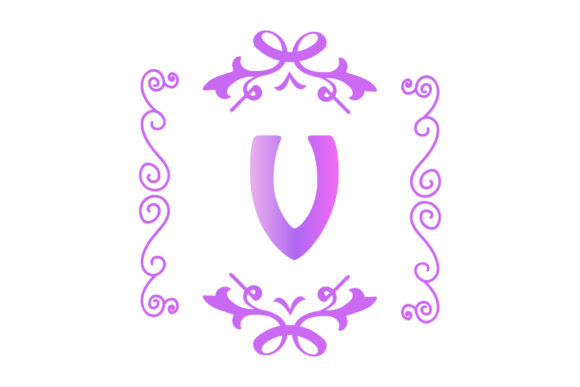
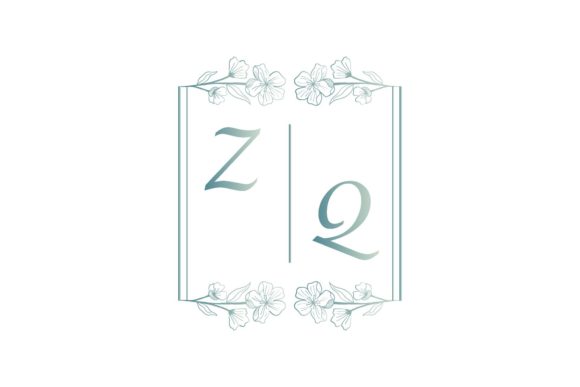
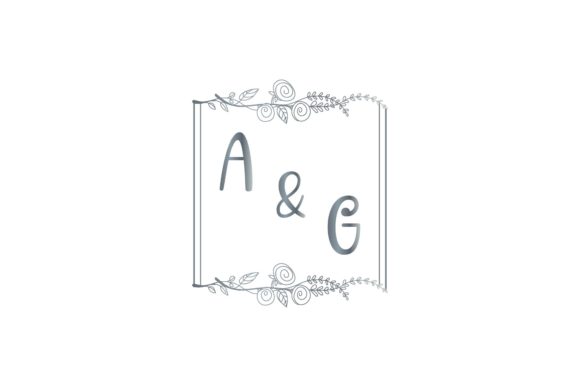
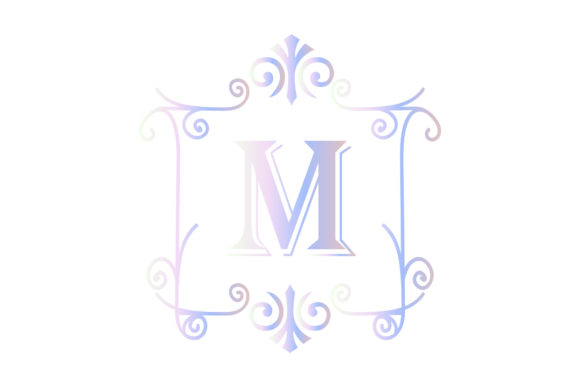
The visual personality of this collection is defined by its intricate detailing and romantic aesthetic. Unlike a standard serif font or sans serif font used for body text, this premium font style is built for impact. You will notice the delicate strokes and the illustrative embellishments that surround the letterforms. These elements give the typography a vintage yet timeless quality. The "illustration" aspect means that the characters often come with pre-made decorative elements—flourishes, frames, or botanical drawings—that are integrated directly into the glyph set. This creates a level of detail that would take hours to recreate manually in Adobe Illustrator or Procreate.
Strategic Applications for Modern Brands
While the name suggests a focus on weddings, the utility of the Monogram Illustration Font Wedding Art extends far beyond nuptial stationery. In the world of brand identity, distinctiveness is currency. I have seen this style used effectively by boutique hotels, artisan bakeries, luxury skincare lines, and high-end real estate agencies. Why? Because the illustrative nature of the font conveys a sense of craftsmanship and exclusivity.
For logo design, this font acts as a strong foundation. It provides an immediate "lock-up" that feels professional. Instead of hiring an illustrator to draw a custom crest, you can use these design assets to construct a logo that feels bespoke. It works exceptionally well for packaging design, where shelf appeal is everything. A product label featuring this typography immediately signals quality to the consumer.
In the digital realm, the applications are just as relevant. Social media graphics require stopping power. A static Instagram feed or a Pinterest pin needs to grab attention in a fraction of a second. Using this display font for headers or quote graphics creates a focal point that standard web fonts cannot match. It adds a layer of sophistication to your web design headers or hero images, helping to establish the mood of the site before the user even reads the copy.
Technical Versatility and File Formats
One of the most common frustrations I hear from clients and fellow creatives is the lack of versatility in file formats. A beautiful design is useless if it cannot be integrated into your specific workflow. This is where the Monogram Illustration Font Wedding Art collection proves its value as a professional tool.
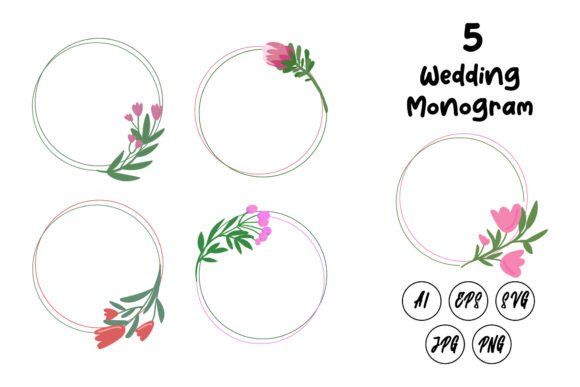
The package includes five distinct formats: AI, EPS, SVG, JPG, and PNG. This coverage ensures compatibility with virtually any software you are using.
- AI and EPS Files: These are the workhorses for professional designers. They are vector-based, meaning you can scale the monograms to the size of a billboard without losing quality. If you need to edit the anchor points, change the color of a specific flourish, or adjust the kerning, these are the files you need. They are essential for editorial design and print production.
- SVG Files: For those working in web design or using cutting machines like Cricut or Silhouette, SVGs are vital. They maintain high fidelity at small sizes and load quickly on websites. They are also perfect for creating physical products like vinyl decals or laser-etched wood.
- JPG and PNG Files: These rasterized versions are ready to use immediately. The PNG files are particularly useful because they often come with transparent backgrounds, allowing you to drop them onto photos or colored backgrounds in Canva, Photoshop, or Lightroom without messy masking.
With a canvas size of 1920px by 1280px, these assets are optimized for modern screens. This resolution is high enough for standard monitor displays and social media headers, ensuring your work looks crisp and professional.
Influence on Readability and Visual Hierarchy
Using a creative font like this requires an understanding of visual hierarchy. Because the Monogram Illustration Font Wedding Art is ornate and complex, it functions best as a display font—meaning it is meant for headlines, titles, and logos, not for paragraphs of text.
If you attempt to use this for body copy, you will run into readability issues. The intricate details that make it beautiful at 100pt will become visual noise at 12pt. The mark of a skilled designer is knowing when to stop. Use this font to capture the essence of the brand, then pair it with a clean, legible serif font or sans serif font for the supporting text.
For example, a wedding invitation suite might use the Monogram Illustration font for the couple's initials at the top. The names might be set in a complementary script font or a light sans-serif, while the venue details and RSVP information are set in a highly readable sans-serif. This creates a rhythm for the eye. The decorative font draws you in, and the standard font delivers the information. This balance is crucial for maintaining professionalism while still showcasing modern typography trends.
Practical Workflow and Editing
The promise that these designs are "easy to use" is contingent on your software knowledge, but the files are structured to be user-friendly. Since they are vector-based (in the AI/EPS formats), you have total control over the typeface components.
A practical tip for working with these assets: treat them as building blocks. Do not feel restricted to the exact configuration shown in the preview. If the monogram includes a floral wreath, you might want to remove the flowers and use just the ornate letter for a minimalist logo. Conversely, you might want to combine elements from two different letters to create a custom ligature.
When evaluating project fit, consider the emotional resonance. This style of typography evokes nostalgia, romance, and elegance. It fits perfectly for businesses targeting a demographic that values tradition, luxury, and attention to detail. It might be less suitable for a tech startup or a streetwear brand, where sharp, geometric modern typography is the norm.
Choosing the Right Font Pairings
Successful font pairing is about contrast and complement. The Monogram Illustration Font Wedding Art has a strong voice; it is expressive and decorative. To support it, you need a partner that is quiet and structured.
- With Serif Fonts: Pairing the monogram with a classic serif (like Garamond or a modern transitional serif) creates a look that feels established and academic. This is great for publishing houses or law firms wanting to appear approachable yet traditional.
- With Sans Serif Fonts: A clean geometric sans-serif (like Montserrat or Futura) provides a stark, modern contrast. This prevents the design from feeling too "old fashioned" and brings it into a contemporary context. This is ideal for lifestyle bloggers or modern wedding planners.
- With Script Fonts: Be careful here. Pairing two decorative fonts can lead to a chaotic layout. If you do pair it with a script font, ensure the script is much simpler and flows in a different direction than the monogram.
Ultimately, the Monogram Illustration Font Wedding Art is a powerful tool in your design assets library. It allows you to deliver high-end aesthetics to your audience or clients without the budget of a major corporation. By respecting its complexity, utilizing the various file formats, and pairing it wisely, you can create brand identity materials that feel personal, professional, and enduring.